




Proper irrigation starts with choosing the right equipment.



What is a drip irrigation system? Discover what you need to know about drip irrigation supplies, fittings, valves, and filter selection.
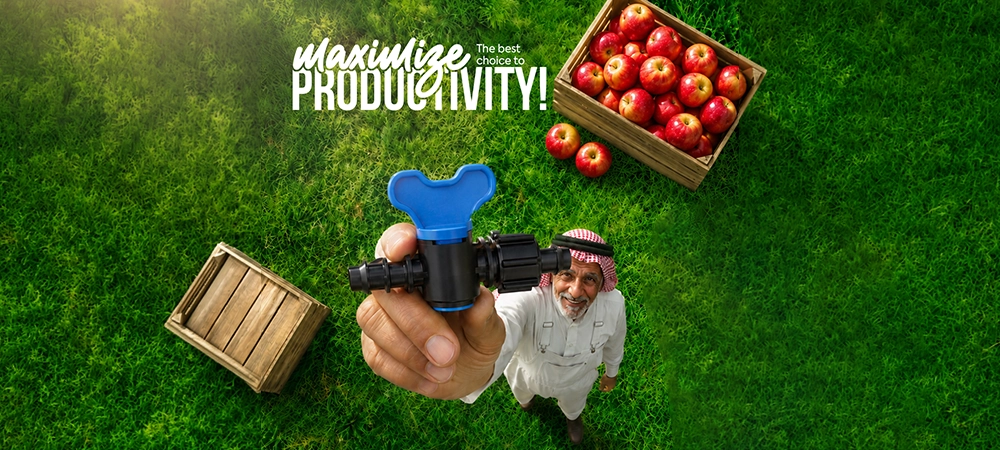
Proper water management in agricultural production is essential for both plant development and operating costs. Drip irrigation systems deliver water directly to the root zone of plants in a controlled manner, helping farmers manage irrigation more efficiently.
However, a successful drip irrigation system requires more than simply selecting the right pipes. Filters, valves, and fittings also play an important role in ensuring reliable system operation.
So, how is a drip irrigation system installed, and what materials are required?
Drip irrigation is an irrigation method that delivers water to plant roots at low flow rates through pipes and emitters.
In this system, water is supplied directly to the required areas in a controlled manner. With proper system design and operation, surface runoff and unnecessary water application can be reduced.
Drip irrigation systems are widely used in vegetable cultivation, orchards, greenhouses, and various agricultural fields.
The equipment needed to install a drip irrigation system varies depending on the size of the agricultural area, water source, and type of crops grown.
Drip irrigation pipes are essential components responsible for delivering water to plants.
Pipe diameter, line length, operating pressure, and emitter spacing should be determined according to the specific requirements of the irrigation project.
Drip irrigation fittings are used to connect pipes, redirect irrigation lines, and divide the irrigation system into different sections.
Components such as nipples, connectors, gaskets, and mini valves perform important functions during system installation.
Using appropriate fittings helps reduce the risk of leakage and makes system maintenance easier.
Valves are used to control water flow within irrigation lines.
Ball valves and mini valves allow different irrigation zones to be opened or closed independently.
When selecting valves, connection dimensions, pressure resistance, and intended application should be considered.
Sand, sediment, and other particles in irrigation water may cause emitters to become clogged.
Therefore, using suitable filters is essential for protecting the drip irrigation system.
Filter selection should be based on water quality, system flow rate, and filtration requirements.
Installing a drip irrigation system begins with evaluating the agricultural land and water source.
The first step is to determine the size of the area to be irrigated, crop type, and water requirements. The layout of the main pipeline and drip irrigation lines is then planned.
After installing suitable filters and control valves, the irrigation lines are assembled using the appropriate fittings.
Once installation is complete, system pressure, water distribution, and connection points should be checked.
For large agricultural areas, hydraulic calculations should be performed by qualified professionals.
Selecting the right drip irrigation components affects the service life and operational reliability of the system.
When choosing products, pipe diameter compatibility, operating pressure, connection type, and material properties should be evaluated.
For example, a fitting used in a 16 mm irrigation line must be compatible with the corresponding pipe.
Incompatible components may cause leaks at connection points or installation problems.
Operating in the irrigation industry since 1997, JET PLAST offers a range of products used in drip irrigation systems, including fittings, mini valves, ball valves, and filters.
Selecting appropriate equipment for agricultural irrigation projects contributes to reliable system performance.
To learn more about drip irrigation fittings and connection solutions, explore the JET PLAST product range or contact the technical team for assistance in selecting suitable products for your project.
Proper irrigation starts with choosing the right equipment.
Proper irrigation starts with choosing the right equipment.
© 2026 Copyrights Reserved, designed by Gifadwork